
February 2, 2026
Nebraska Land: A Legacy Worth Protecting.
The agriculture industry is deeply embedded in Nebraska communities and local culture. To multi-generational farmers and ranchers, the land they live and work on means much more than just an asset. Instead, it represents their life and family legacy. Yet many outside buyers do not see Nebraska land through that lens. Instead, it is viewed primarily as a financial asset, valued for its return potential rather than its role in sustaining families, tenants, and rural communities.
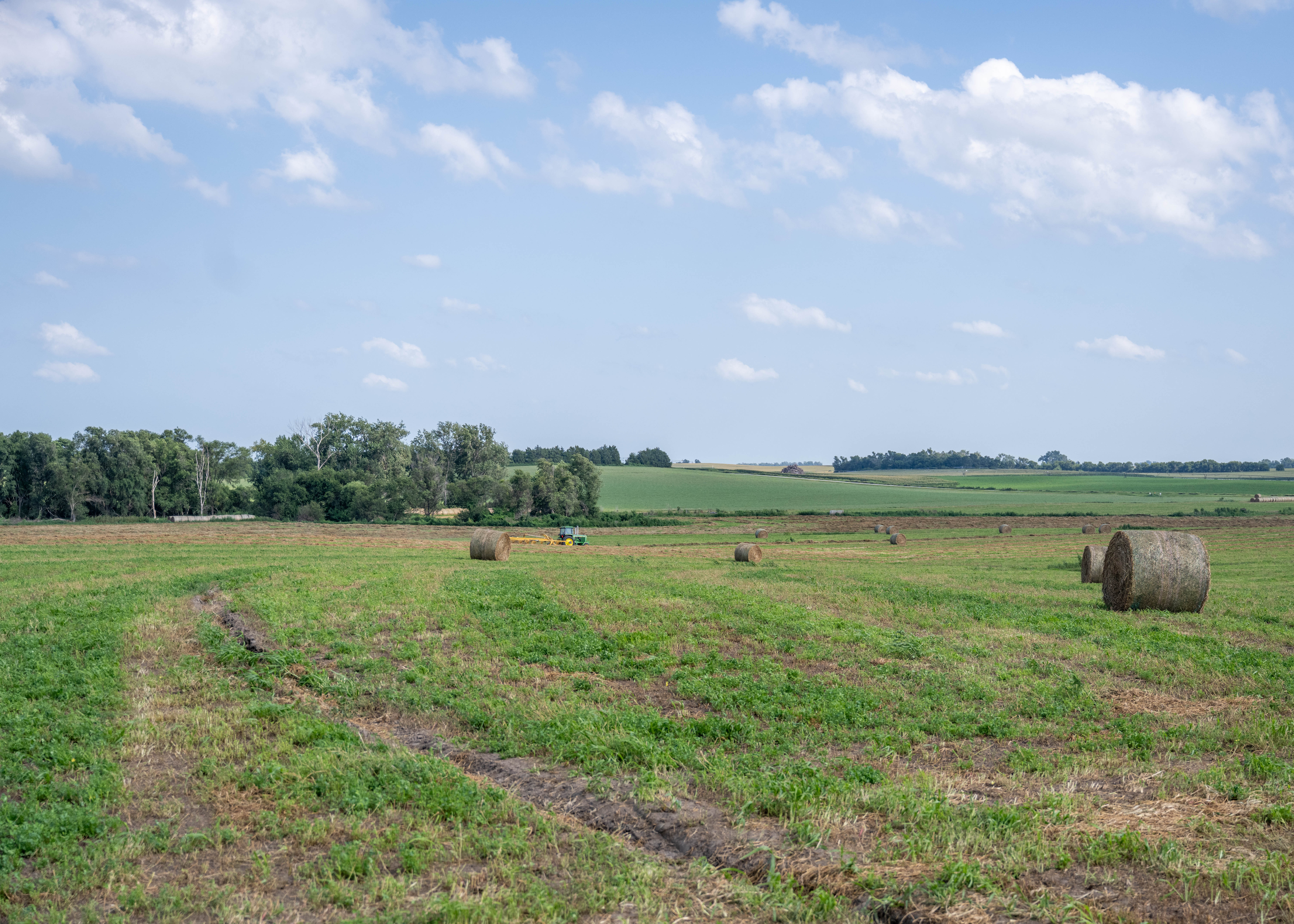
The agriculture industry is deeply embedded in Nebraska communities and local culture. Shaped by rolling hills and vast farm and ranch land, Nebraska’s landscape has allowed agriculture to thrive in this state. To multi-generational farmers and ranchers, the land they live and work on means much more than just an asset. Instead, it represents their life and family legacy.
That legacy began taking shape with the Homestead Act of 1862, which brought settlers to Nebraska to break prairie for farming, raise cattle, and build livelihoods from the land. With the expansion of railroads, producers had access to transportation for beef and crop products, allowing the firm establishment of the agricultural industry in Nebraska. It’s been 164 years since the Homestead Act, yet Nebraska’s agricultural roots remain deeply woven into the state. According to the Nebraska Department of Agriculture, there were 44,300 farms and ranches in Nebraska in 2024. Even beyond direct involvement in the industry, 1 in 4 jobs in Nebraska are related to agriculture. Nebraskans are raised with a deep understanding of agriculture and the value of land in our communities. It goes beyond the numbers; agriculture is ingrained in Nebraskans’ culture and way of life.
Yet many outside buyers do not see Nebraska land through that lens. Instead, it is viewed primarily as a financial asset, valued for its potential returns rather than for its role in sustaining families, tenants, and rural communities.
The financialization of farmland is a much more serious threat than just losing the land itself. Decision-making is moved from the families who live and work on the land to meeting rooms. Decisions are driven by profit margins, not community value or long-term land stewardship. Soil health, water resources, tenant relationships, and neighboring operations become secondary considerations. What will this land look like in 20 years?
This trend has real consequences. Rising land values, increasing taxes, and complex family or tenant situations are making it harder for Nebraskans to retain ownership. As local families sell, corporations and outside investors step in. For many sellers, the highest bid can feel like the only option. However, the highest price does not always lead to the best outcome for the land, the community, or the next generation.
Nebraska land is our legacy. Intentional ownership, thoughtful planning, and a commitment to stewardship are essential to maintaining the legacy that Nebraskans cherish. Contact us today to learn how we are keeping Nebraska Land Nebraskan-owned and how we can help your operation.
Sources:
https://www.nps.gov/home/learn/historyculture/homesteading-in-nebraska.htm