
March 30, 2026
Rotational Grazing and Stewardship of Nebraska Grasslands
Nebraska’s cattle industry depends on healthy grasslands. With more than 24 million acres of rangeland across the state, how producers manage grazing today plays a major role in the future of Nebraska agriculture. Rotational grazing improves soil health, strengthens drought resilience, and builds more sustainable operations.
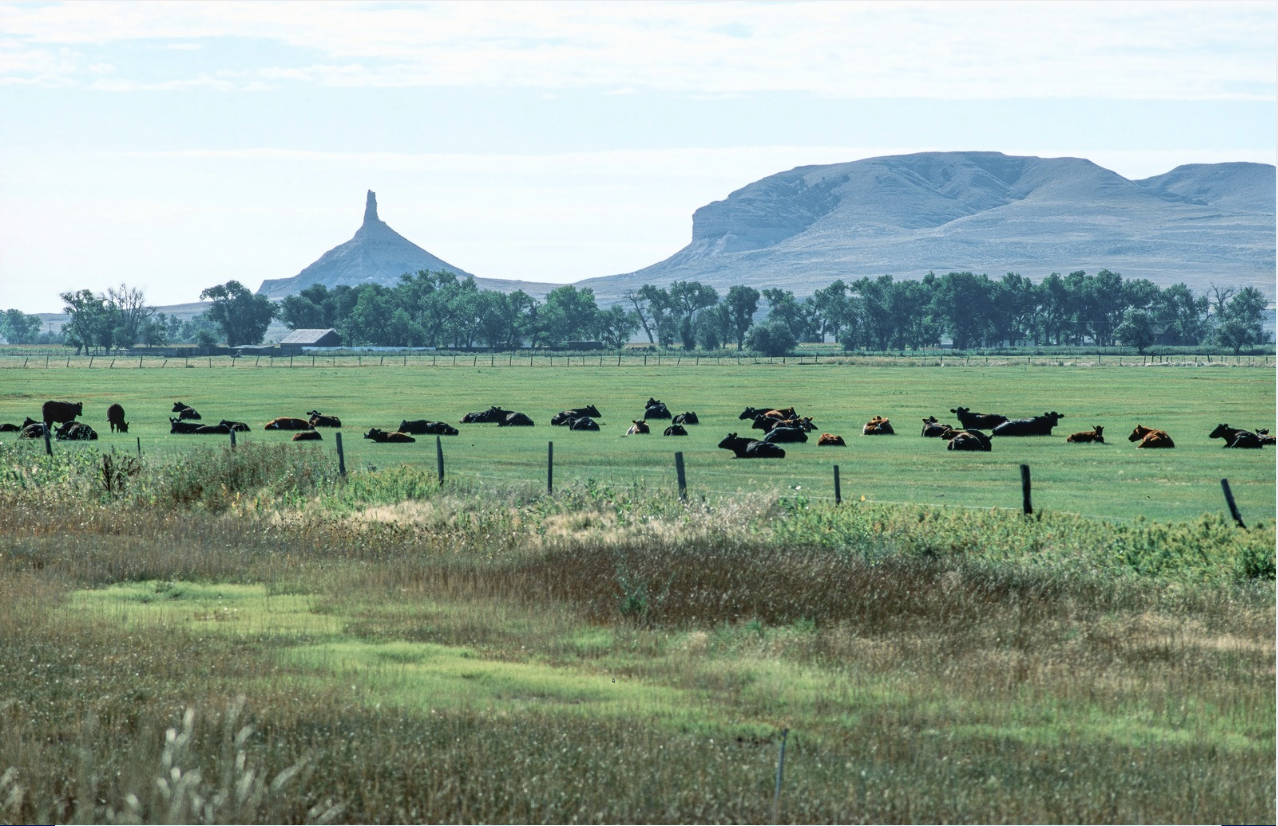
Nebraska's beef industry is built on the vast grasslands that cover our state. Cattle are fed by 24 million acres of rangeland, which accounts for over half of Nebraska's land area. These grasslands are essential to sustaining the beef industry and the rural communities that depend on it. This raises an important question: how can we manage this land today so it continues to support Nebraska's cattle industry for generations to come?
One strategy that producers are increasingly using to revitalize grasslands and address challenges such as drought and soil erosion is rotational grazing.
Good Grazing is Good Stewardship
Rotational grazing is a land management method in which ranchers move livestock between multiple pastures on a planned schedule. Instead of leaving cattle in a single pasture for long periods, animals are moved at regular intervals. This allows previously grazed areas time to rest and regrow. Each time cattle are moved, the pasture provides fresh forage for them to consume.
Rotational grazing offers several additional benefits. It can increase biodiversity across grasslands and help prevent overgrazing. Nutrients from manure are also more evenly distributed across pastures, thereby improving soil fertility. According to the U.S. Drought Monitor, much of Nebraska is experiencing severe drought, with some areas in extreme drought. Rotational grazing promotes drought resilience, enabling our pastures to remain healthy despite current precipitation levels.
Rotational Grazing is also beneficial from an economic perspective. Research has shown that this grazing strategy can reduce hay requirements by 60% to 80%. Implementing this strategy can reduce the need for excess winter feed. Though rotational grazing can entail upfront costs for cross-fencing and water systems, the long-term benefits can be transformative for an operation.
Stewardship is Strategy
Making positive decisions in your land management practices has benefits that go beyond just soil and pasture health. At a time when costs across agriculture continue to rise, strong stewardship practices can help producers remain resilient and avoid difficult decisions such as selling land under financial pressure. Local landowners often have a deep understanding of the land they manage because it is their livelihood and legacy. Keeping decision-making local promotes long-term stewardship and prosperity for producers. In a state where the agricultural industry affects the economy and well-being, keeping decisions local also helps keep our communities thriving.
Every management decision contributes to Nebraska's agricultural future. At Nebraska Farmers Network, we are dedicated to keeping decision-making local and keeping Nebraska land, Nebraskan-owned for generations to come. Reach out to us today to find out how we are fulfilling this mission.
Sources:
https://www.cargill.com/sustainability/regenerative-agriculture/rotational-grazing
https://www.climatehubs.usda.gov/hubs/international/topic/rotational-grazing-climate-resilience
https://droughtmonitor.unl.edu/CurrentMap/StateDroughtMonitor.aspx?NE