
June 25, 2026
The Food System Wasn't Designed With You in Mind. Local Food Was.
The food system wasn’t built with your health or community in mind, but local food was. From better flavor and nutrition to keeping more of your dollar in the local economy, buying local is one of the simplest ways to take back control of what you eat and support the farmers who grow it.
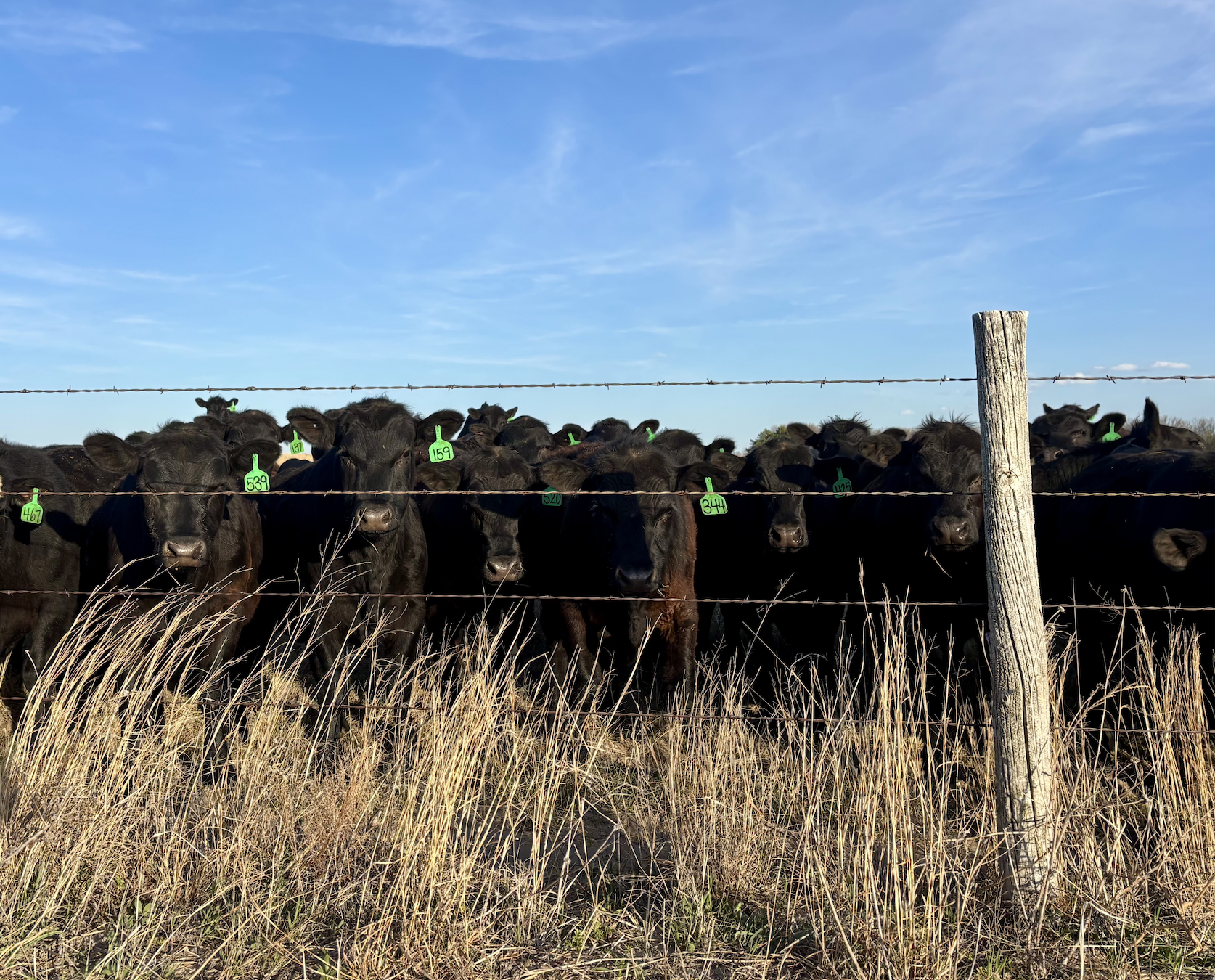
Most of us don't think about where our food comes from before it lands on the shelf. We write our shopping lists, pick up our groceries, and head home without giving it much thought.
However, there is a real difference between food grown by a farmer two counties over and food that spent two weeks in a distribution center before it got to your store. The difference is shown in flavor, nutrition, and in what happens to the money you spent. The food system controls what food shows up in our grocery stores, but choosing to buy locally puts the power back into your hands.
Not convinced yet? There are several reasons you should consider integrating more locally sourced food into your diet.
The food is actually better.
An article by Foodwise estimates that meals in the United States travel about 1,500 miles to get from the farm to your table. When crops get harvested at peak ripeness instead of being picked early to survive a cross-country trip, they are more flavorful and nutritious because less time passes between harvest and your table, according to Michigan State University. The shorter the distance, the less time the food has to lose nutrients, flavor, and freshness.
Local meat works the same way. If local producers can harvest, sell, and transport their meat, the shorter process yields products that are fresher, healthier, and more flavorful than those moving through large-scale national distribution.
Your dollar does more.
According to the University of Nebraska-Lincoln, every $100 spent at a locally-owned business results in $45 flowing back into the local community, compared to just $14 when that same $100 goes to a business that isn't locally owned. By purchasing locally, you're making a statement with your dollar. You are choosing to show support for the farmers and ranchers who spend their lives producing the food that feeds the world, not for the corporations that have taken control of the food system.
When a farmer sells directly, more of every dollar comes back to them. Shorter supply chains mean fewer outsiders taking a cut of the profit, and research shows consumers are willing to pay more for local products, according to the National Sustainable Agriculture Coalition. This practice can help family farms stay viable, beginning farmers get established, and keep land in the hands of people who actually work it.
The health perspective.
The National Sustainable Agriculture Coalition says research shows that communities with more direct farm sales have lower rates of obesity, mortality, and diabetes among residents.
According to the American Board of Physician Specialties, there is a growing amount of research that strongly suggests that eating local food can help you avoid or reverse a variety of conditions that can shorten your lifespan and diminish your quality of life. Food is an integral part of our overall health. Eating locally grown foods limits exposure to potentially harmful substances, such as refined sugar, high-fructose corn syrup, salt, and synthetic trans fats.
Local food is built for you.
Eating local shouldn't just be a trend. Integrating local food into your grocery list helps build self-reliant food networks that are actually good for the people who eat it.
Closing the gap between producers and consumers has immense benefits for everyone involved. From improving your health to giving back more to those who produce your food, buying local in Nebraska will help our communities, farmers, and ranchers thrive more than ever.
Sources:
https://www.abpsus.org/eating-local-foods/
https://www.canr.msu.edu/news/7_benefits_of_eating_local_foods
https://www.cfra.org/blog/buying-food-locally-has-host-benefits
https://foodwise.org/learn/how-far-does-your-food-travel-to-get-to-your-plate/