April 8, 2026
The Restaurant Depot Buyout: Why Big Food Distribution Is Failing Nebraska Farms
Nebraska produces some of the nation’s top agricultural commodities, yet much of our food system is controlled by large distributors. In light of the recent Sysco acquisition of Restaurant Depot, we raise the question: is the big food industry serving producers?
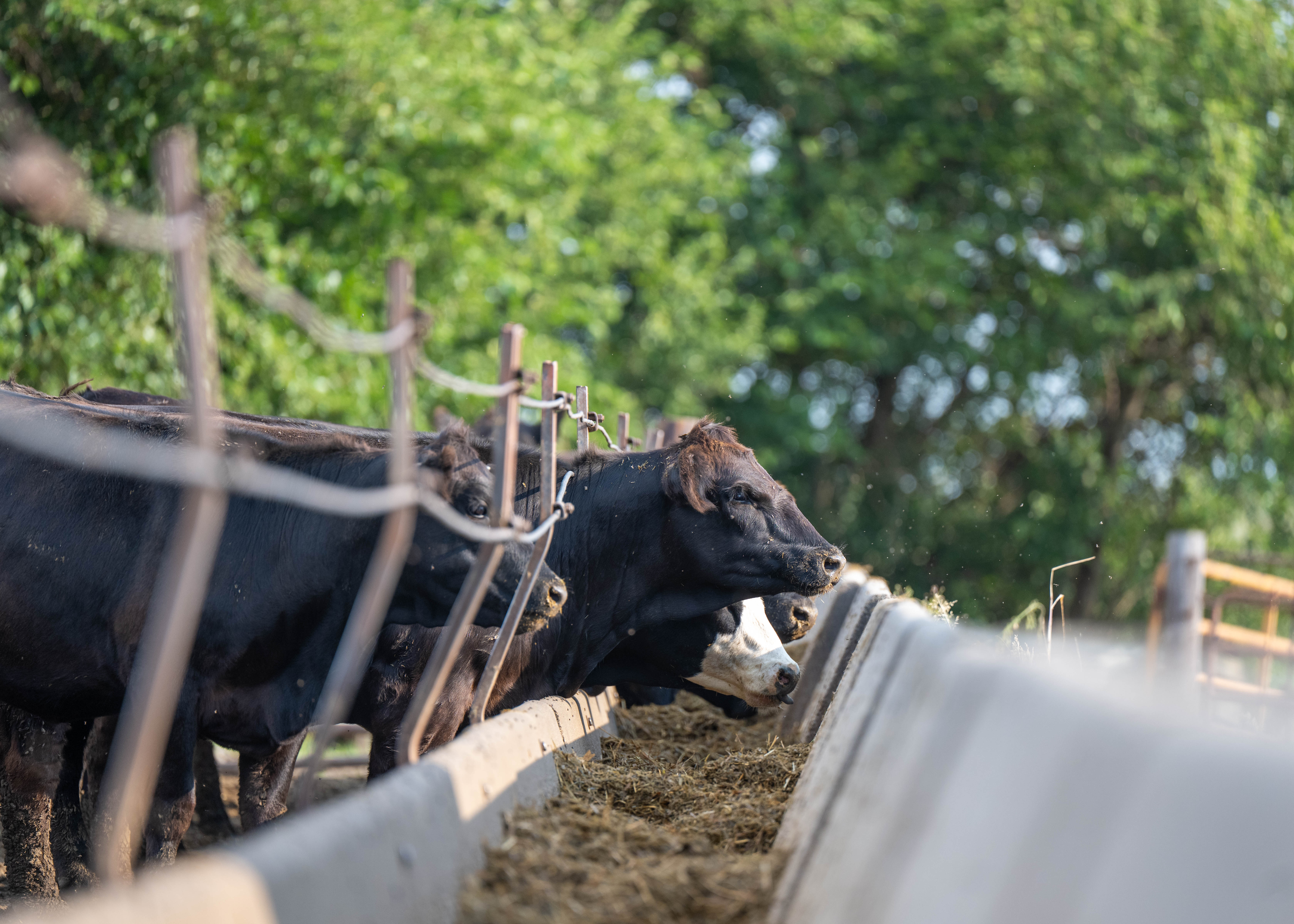
Nebraska is an agricultural powerhouse. According to a 2026 report from the Nebraska Department of Agriculture, the state ranks first and second in multiple cattle categories, third in corn exports, fifth in soybean exports, and among the top 12 in several other agricultural commodities. Yet despite this production strength, much of the food served in local restaurants does not come from Nebraska farms and ranches.
Instead, food distributors like Sysco supply a significant portion of the food consumed in Nebraska and across the country. On March 30th, Sysco announced it would acquire Restaurant Depot. In eliminating another alternative distribution option, Sysco takes another step in dominating the food system. When companies like this gain power, Nebraska producers pay the price. Farmers and ranchers lose influence, local economies weaken, and our connection to real food continues to fade.
Sysco is a dominant force in food distribution. They are estimated to have a market share of around 17% in U.S. food service distribution, which is much larger than that of their competitors. Through expansion and acquisitions of other companies, Sysco has positioned itself at the top of this industry and has massive control over the food restaurants that serve patrons. Typically, restaurants rely on a single distributor due to convenience. With big food controlling the industry, local producers struggle to access distribution pipelines.
Due to this loss of access, producers are also losing negotiating power for selling their products. With fewer buyers in the market, pricing power shifts away from producers and into the hands of large corporations. Companies like Sysco profit by purchasing food at low prices, processing or packaging it, and selling it at a markup to restaurants and institutions. With producers having no control in this system, they often must pay the price, as prices are driven not by their interests but by the corporation’s profit margins. Over time, this also shifts priorities away from quality and freshness. Unlike food sourced directly from farms, distributor-supplied products are often ultra-processed to extend shelf life. Transparency about where our food comes from is limited due to the current model.
Nebraska has not always operated this way. There used to be a network of local processors, regional distributors, and strong producer-to-consumer relationships. Due to decades of consolidation and a shift to large, industrial facilities, we are losing access to local systems and infrastructure. This overall moves money out of our rural communities and limits their ability to thrive to their fullest potential.
In light of Sysco’s recent acquisition, where should we go from here? Expanding direct-to-consumer markets, supporting farm-to-table and farm-to-school programs, and investing in local distribution channels can help ensure Nebraska-grown food continues to feed Nebraska communities. Keeping land, food, and profits local will help our local communities thrive for years to come.
Nebraska producers should have control over how and where they sell. At Nebraska Farmers Network, we believe in keeping ownership of Nebraska land and production in the hands of Nebraskans. Reach out to us today to learn how we are keeping ownership in Nebraskans' hands.
Sources:
chrome-extension://efaidnbmnnnibpcajpcglclefindmkaj/https://nda.nebraska.gov/sites/default/files/ag_week/2026%20facts%20for%20website.pdf
https://investors.sysco.com/annual-reports-and-sec-filings/news-releases/2026/03-30-2026-113036743
chrome-extension://efaidnbmnnnibpcajpcglclefindmkaj/https://business.columbia.edu/sites/default/files-efs/imce-uploads/SYY.pdf